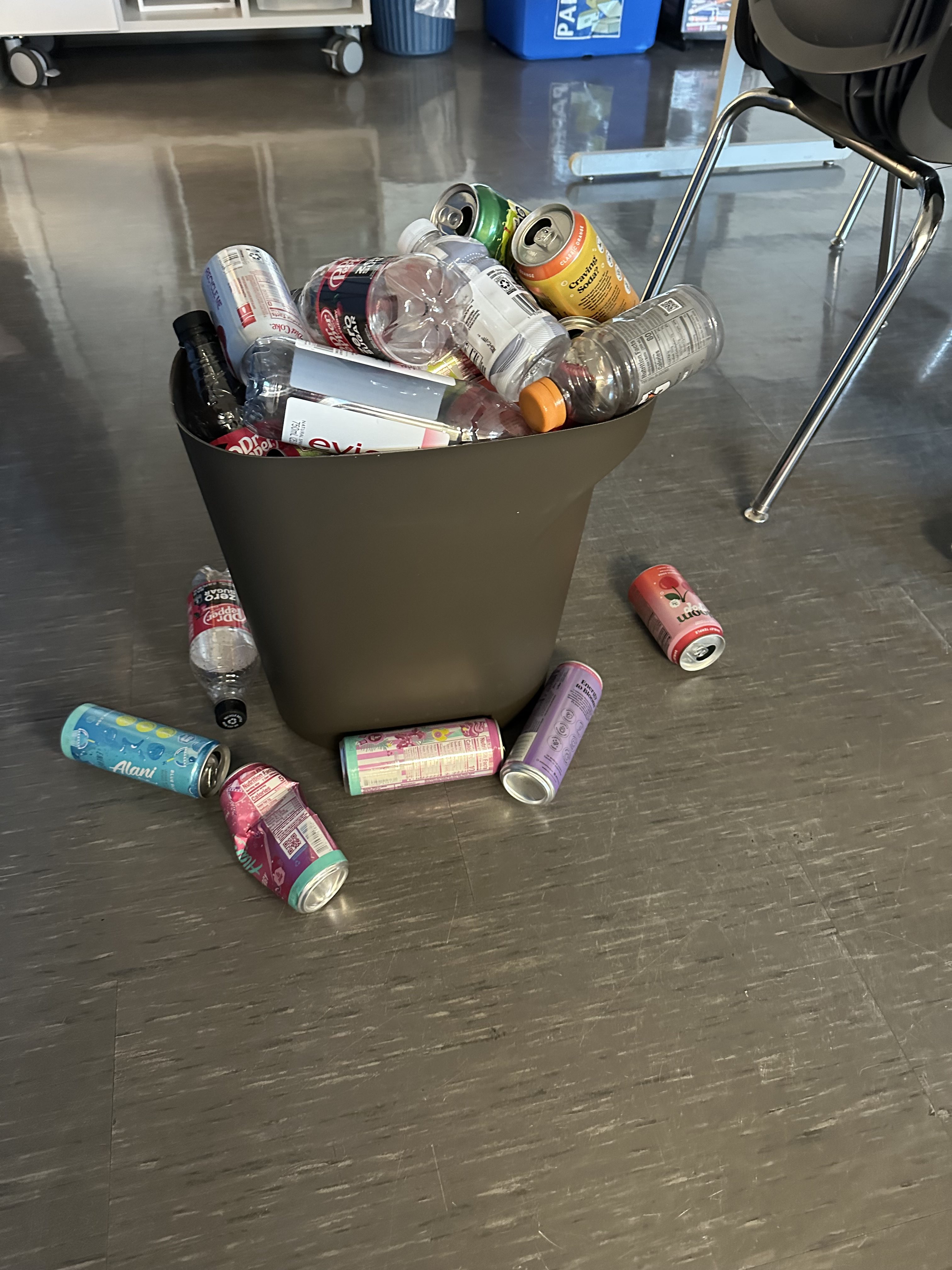
Energy drinks have taken over the masses of teenagers and adults at a speed no one can seem to fully understand. An energy drink is a caffeinated drink which is meant to increase energy and alertness in an individual, as well as reduce fatigue. They contain high amounts of concentrated caffeine, typically averaging around 80-150 milligrams per single drink. That is equivalent to approximately two cups of black coffee. Globally, there are about 785 brands selling energy drinks. These cylindrical carbonated caffeine cans have quickly become the newest fad, but at what cost? Have they turned into a fatal addiction amongst youth, or a harmless indulgence for young generations?
In a survey of 40 Catholic Central students, 80% of them reported consuming one energy drink per day, less than the remaining 20% who drink a minimum of two daily. 66% of these students drink their daily beverage in the morning before or during their first class of the day. This is similar to how adults have a morning coffee to wake them up and prepare them for the social interaction of their day; caffeine will make up for a lack of sleep and temporarily refuel a body in need of rest.
But how does caffeine work? Your body contains adenosine receptors, where adenosine gathers throughout the day to make you tired. Caffeine is structured similarly to adenosine, so it binds to the receptors without activating them to block the actual adenosine from having an effect. While this can temporarily increase alertness and lessen fatigue, there are many major side effects: insomnia, nervous system issues, cardiovascular strain, digestive problems, mental health problems, and possibly development of dependency and withdrawal. The Federal Drug Administration (FDA) considers 400 milligrams or more of daily consumption to be dangerous, but that doesn’t mean that staying under that number is necessarily good for you either.
Many of our students, about 75% of respondents, seem to believe that energy drinks are harmful. But, that doesn’t stop their consumption. The overall reasoning seems to be that while they do cause heart and other health issues, they are fine in moderation. While this is inherently true, does moderation really make something healthy? The simple answer is no. Doing something unhealthy is just unhealthy, regardless of the amount or frequency, just like doing something healthy is just healthy. Smoking or vaping is scientifically proven to be one of the most unhealthy habits, yet people still believe that smoking a cigarette once in a while is not bad.
On a different note, these surveyed Cougars are averaging $12.26 per week on energy drinks. That is $637.52 yearly. To put that into perspective, here are some things to visualize:
- You would have to work more than 47 hours at a current minimum wage ($13.73/hour) job to make that amount.
- You could buy a round trip ticket in economy class to San Juan, Puerto Rico, from Grand Rapids.
- You could buy 127 NeeDoh Nice Cubes.
- You could buy four pairs of AirPods 4 and still have money left over.
You get the idea: it’s a lot of money. The small purchases add up quickly, even though they seem harmless at first.
Taking it to a personal level, I have truly only had a few energy drinks in my life. I just don’t enjoy the taste or feeling. I’ve always experienced energy drinks to be a sort of taboo thing that only adults drink very rarely. They became popular a few years ago, and since then, I’ve seen less adults drinking them and more teenagers. In my observations, they are used in place of actually resting and taking care of your body properly. People seem to think that caffeine will replace getting enough sleep to fully fuel their bodies, and it just doesn’t make sense. I believe that a lot of it has to do with wanting to conform and have something in common to fit in with peers. Drinking energy drinks is such a bad habit, especially when you become dependent on caffeine to keep you awake instead of sleep and rest.
The respondents’ top three picks for energy drink brands are Alani, Monster, and Red Bull, with flavors widely varying. The school cafeteria sells multiple flavors of Bloom in the morning and during both lunches. If you’re in need of a quick pick me up before tackling class work, consider stopping by to purchase one. Just make sure you’re getting enough genuine rest to keep your body fueled properly!